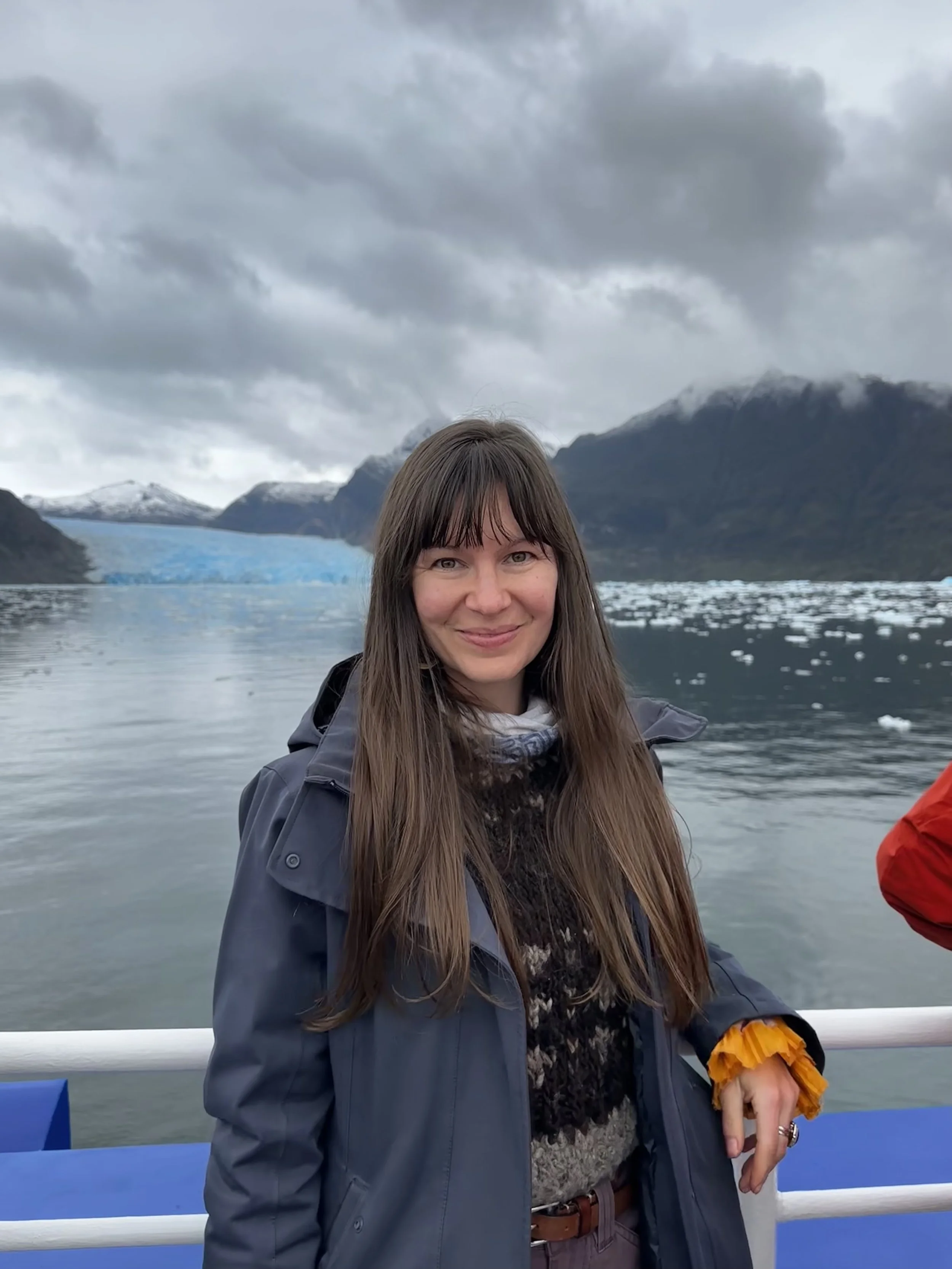
Katy Newlin
I fell in love with research the first time that I set foot in a lab. I became enraptured with the idea of searching for answers to things I didn’t understand. By the end of my degree in Chemical Engineering, with three diverse internship experiences, including NASA, and four years of undergraduate research, I knew that I wanted to continue doing research. So, I moved from Kentucky to Houston, TX where I obtained my doctorate in Chemical Engineering from the University of Houston. During graduate school, I identified the molecular pathways for crystal growth, specifically to understand how malaria parasites grow crystals. This information allowed me to pinpoint how antimalarial drugs block crystal growth to design new antimalarials. I applied my ability to control molecular-level surface interactions during my postdoc at MIT where I created 3D-spatial scaffolds.
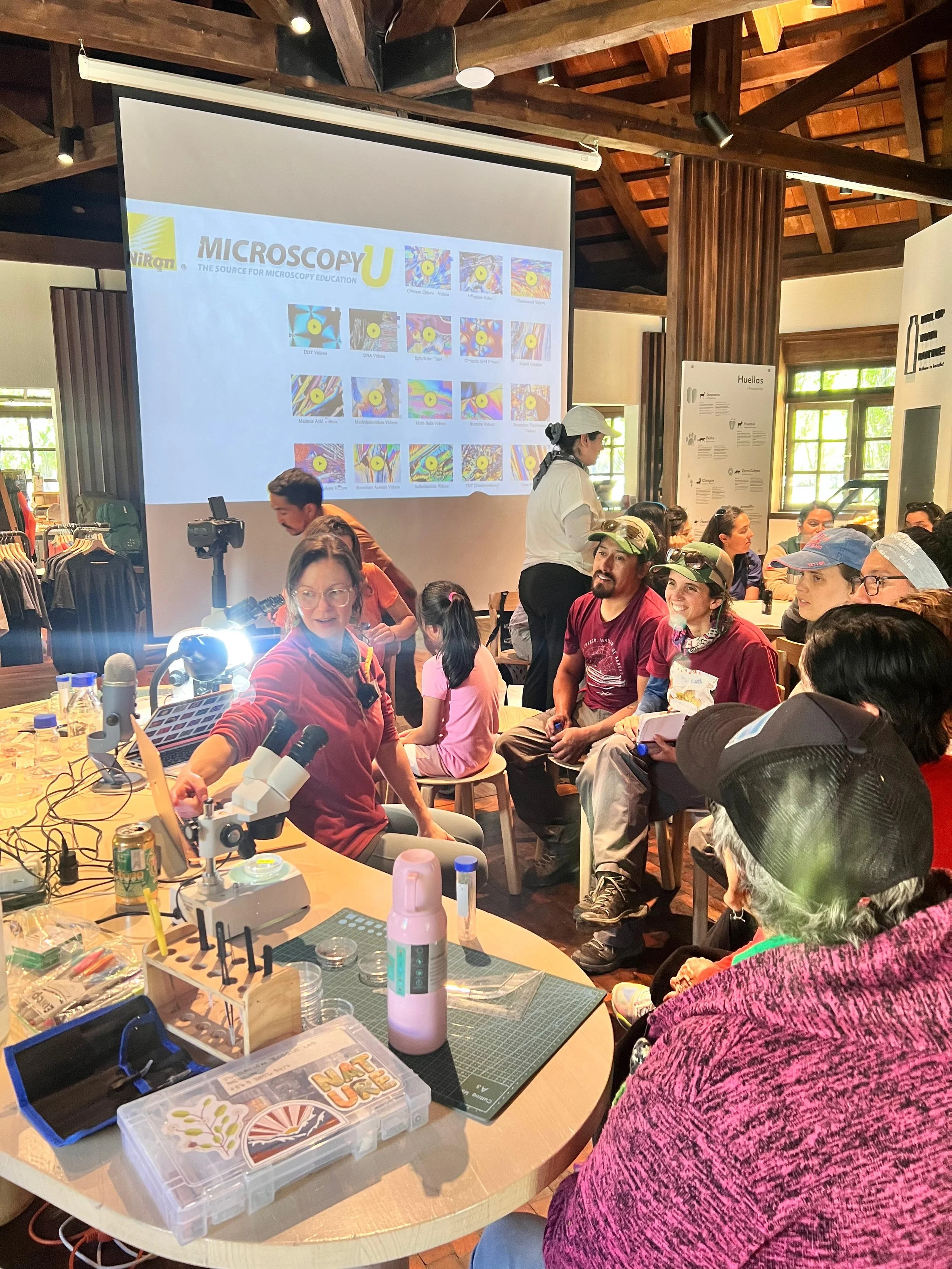
I continue to be fascinated by the unseen world around all of us. With almost 20 years of experience across academic and industrial environments, I have collaborated with brilliant teams to solve global challenges by conducting fundamental research, something I continue with current exploration of the microscopic world in Chilean Patagonia through Bosque Lab Patagonia SpA, an open-access laboratory focused on STEAM outreach.
Living among the mountains of Patagonia, I combine my engineering background and scientific skillset to observe and reveal the beauty of the natural world. Exploring the native forests of Chile provides a glimpse into the microscopic world surrounding us, inspiring potential solutions to current challenges. Studying native flora offers insights for worldwide scientific collaborations, local STEAM outreach, and shared conservation projects.
Contact
katy.newlin@gmail.com